
About Halston Manor
Local Healthcare Access
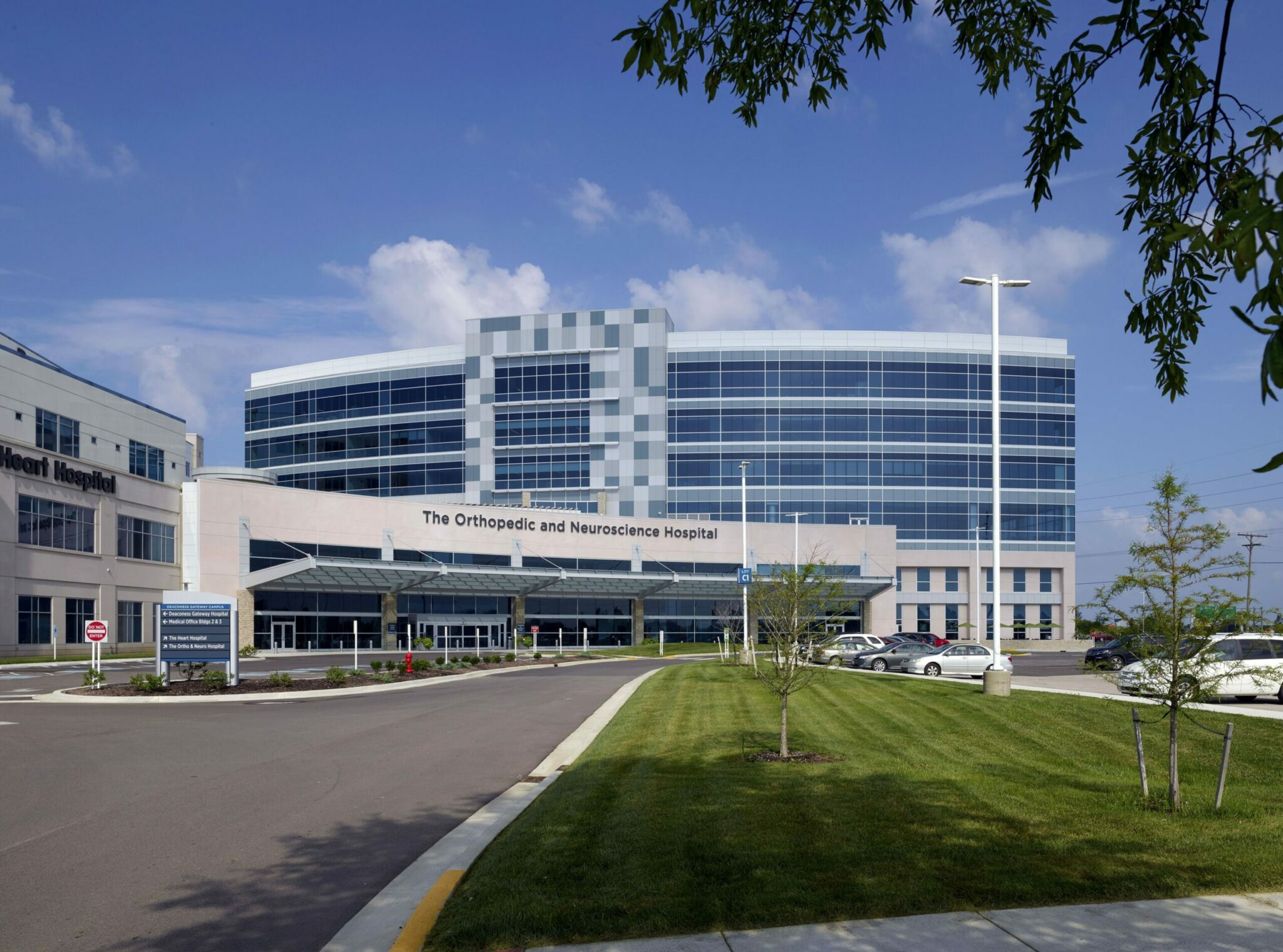
Residents of Halston Manor have convenient access to several leading regional healthcare providers, including:
- Deaconess Gateway Hospital
- Ascension St. Vincent Evansville
- Deaconess Midtown Hospital
These facilities provide a full range of medical services, from primary care and emergency services to specialized treatment.
Public Schools
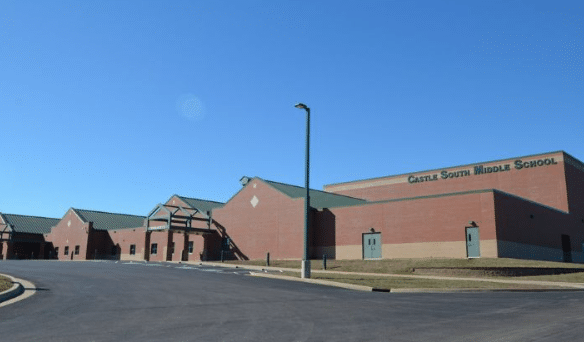
Halston Manor is served by the highly regarded Warrick County School Corporation, offering access to quality public education. Nearby schools include:
- Castle High School
- Castle South Middle School
- Newburgh Elementary School
The district is known for strong academic programs, extracurricular opportunities, and a commitment to student success.
Location & Community
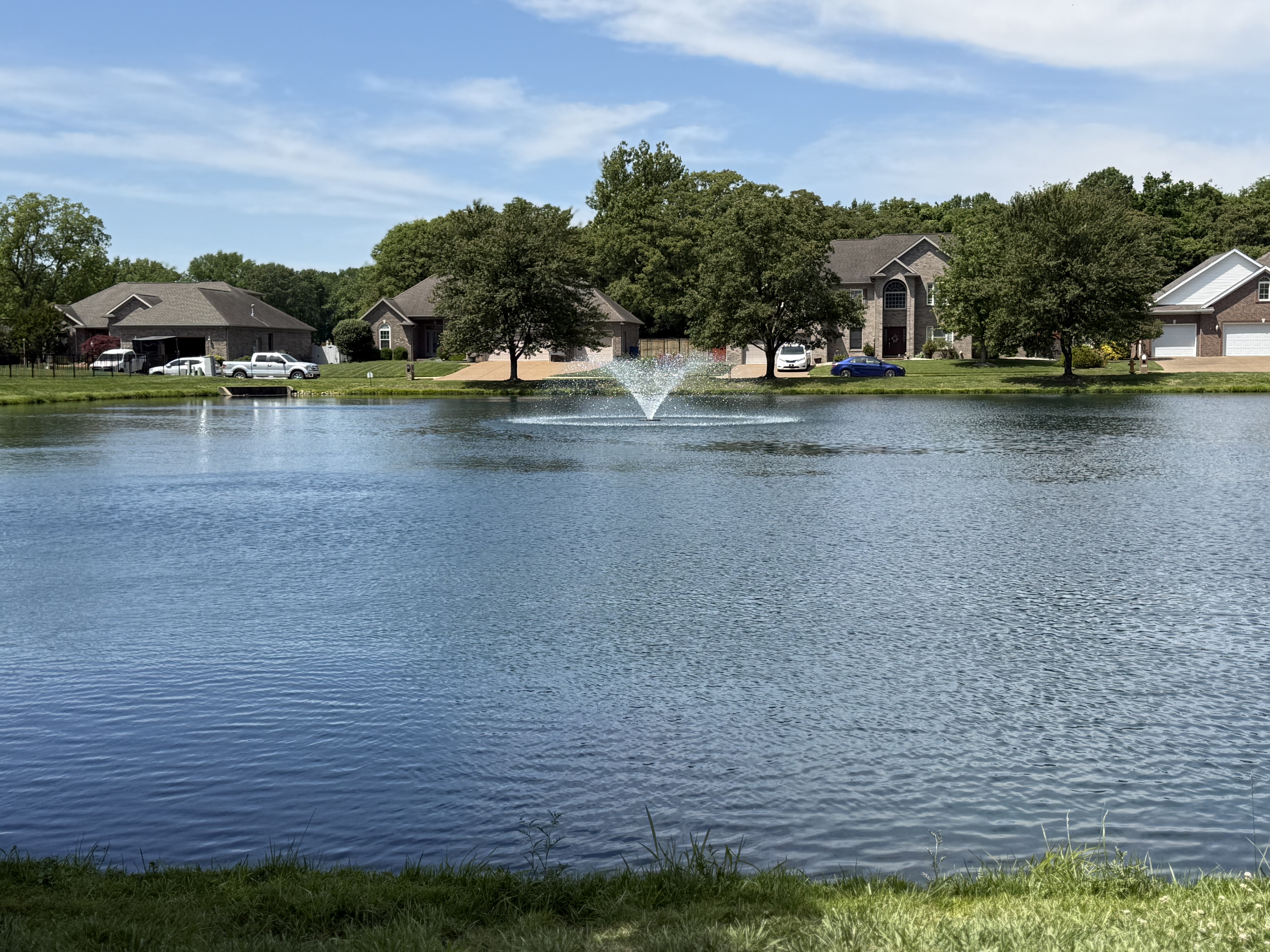
Halston Manor’s location provides easy access to nearby employers and regional hubs, including Evansville, making it a practical choice for commuters seeking a quieter place to call home.
Beyond its location, what truly defines Halston Manor is its community. The Homeowners Association is committed to preserving property values, maintaining common areas, and fostering a cohesive, neighbor-friendly environment. Through consistent standards and proactive management, Halston Manor continues to be a place where residents take pride in their homes and enjoy a high quality of life.
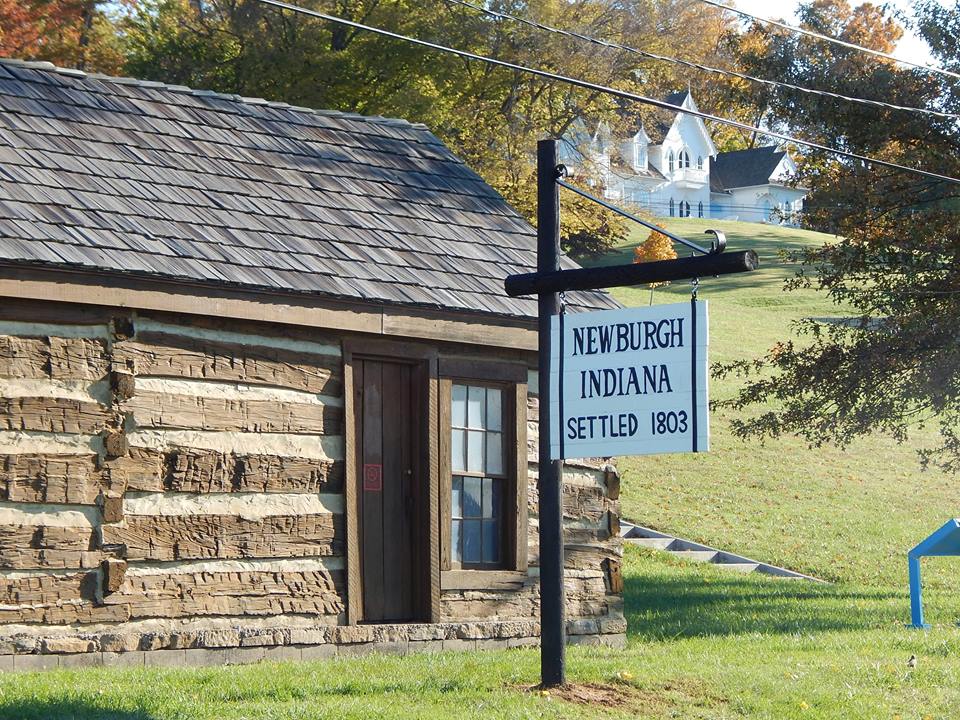
Whether you’re a current resident or considering becoming part of the community, Halston Manor represents the best of suburban living in Newburgh—comfortable, connected, and built for long-term value.
Meet Our Board

Offical Documents
Frequently Asked Questions
Can I fish in the pond?
Yes, residents can fish in the pond. Non-residents may not fish in the pond (see posted signs).
Can I build a fence?
Yes, new fences or repairs are allowed. Please contact a board member as there are restrictions on material and positioning of fences. If you live along the pond, the fence may not be solid as it cannot obstruct the view to the pond.
Can I have pets?
Yes you may have indoor pets at your residence. Please follow all applicable local and state laws regarding leash laws and care of animals. We also ask that you please clean up after your pets and not leave pet waste in the neighborhood. Animals for commercial purposes or livestock or poultry are not allowed.
Can I have solar panels?
No, currently solar panels are not approved in the neighborhood. Please see the Restrictive Convenance 22. “Satellite dishes, antennas, solar collectors, and similar devices shall be prohibited, unless they are located and/or screened so as not to be visible from the street or from other lots and have been approved prior to construction or erection by the Architectural Committee…”
When/where are annual meetings?
Annual meetings of the HMPOA are to be scheduled on the 1st or 2nd Sunday of November. Notices will be sent out about a month ahead of time with the date, time, and location.
What is a Homeowners Association (HOA)?
A Homeowners’ Association (HOA) is a legal entity created by a real estate developer for the purpose of developing, managing and selling a community of homes. It is given the authority to enforce the covenants, conditions & restrictions (CC&Rs) and to manage the common amenities of the development. It allows a developer to end their responsibility over the community, typically by transferring ownership of the association to the homeowners after selling. Generally accepted as a voluntary association of homeowners gathered together to protect their property values and to improve the neighborhood, a large percentage of U.S neighborhoods where free standing homes exist have an HOA. Most homeowners’ associations are nonprofit organizations and are subject to state statutes that govern non-profit corporations and homeowners’ associations.
What are CC&Rs?
The term CC&R refers to ‘Covenants, Conditions & Restrictions.’ A real covenant is a legal obligation imposed in a deed by the seller of a home and or property upon the buyer of the real estate to do or not to do something. Such restrictions frequently ‘run with the land’ and are enforceable on future buyers of the property. Examples might be to maintain a property in a reasonable state of repair, to preserve a sight-line for a neighboring property, not to run a business from a residence, or not to build on certain parts of the property. Many covenants are very simple and are meant only to protect a neighborhood from homeowners destroying trees or historic things or otherwise directly harming property values. Some can be more specific and strict, outlining everything a homeowner can do to the exterior of their home, including the number of non-familial tenants one may have, acceptable colors to re-paint the home, exactly when holiday decorations are allowed up, automobile placement or repair on property, satellite placement, etc.
What are 'ByLaws?'
A set of rules or guidelines regarding the operation of a non-profit corporation such as a Board. Bylaws generally set forth definitions of offices and committees involved with the Board of Directors. They can include voting rights, meetings, notices, and other areas involved with the successful operation of the Association.
Are HOA rules legally binding?
Yes, HOA rules are legally binding. The HOA can potentially fine or file a lawsuit against an owner who violates any restriction, covenant, or rule, as well as hold the owner responsible for any attorney’s fees or costs incurred by the HOA in enforcing that rule.
Can you change HOA rules?
HOA rules are changes by the Board of Directors, not any one homeowner. All rules and regulations are outlined in the community’s Bylaws and/or CC&Rs.
What is my role as a homeowner?
All homeowners should assume responsibility to protect property values and secure a lifestyle that all residents can enjoy. As a member of your community association, your legal responsibilities to the community association include: complying with the governing documents, rules and regulations, architectural guidelines, policies and procedures, and paying the monthly assessment necessary to operate the community association. Should you wish to influence the direction of the association it is advisable that you volunteer to serve on the Board of Directors.
Can an HOA change rules after purchasing a home?
A Board of Directors can change the rules at any time upon following applicable procedures. The rules and regulations are usually outlined in the development’s Bylaws and/or CC&Rs.
What happens if you break HOA rules?
If an owner breaks an HOA rule they will receive a violation notice, and if not corrected, the owner may be fined, suspended from using the community’s facilities, or in rare cases, sued.
Can I be forced to join an HOA?
The only way you can become part of an HOA is when you buy a unit that is part of an Association. Owners are not usually forced to buy a unit in an Association, but once they do they are a member of that Homeowners Association until they sell.